-
×
 CLIP ART BLOCK PRINT FOR SUNDAY CYCLE A,
1 × €16.30
CLIP ART BLOCK PRINT FOR SUNDAY CYCLE A,
1 × €16.30 -
×
 31CM LOURDES 882
1 × €40.00
31CM LOURDES 882
1 × €40.00 -
×
 THE PILGRIM GUIDES
1 × €2.30
THE PILGRIM GUIDES
1 × €2.30 -
×
 PASTORAL AND OCCASIONAL SERMONS
1 × €34.00
PASTORAL AND OCCASIONAL SERMONS
1 × €34.00 -
×
 NEW ELUCIDATIONS
1 × €11.65
NEW ELUCIDATIONS
1 × €11.65 -
×
 JIDDU BHAX-XEMX
1 × €4.65
JIDDU BHAX-XEMX
1 × €4.65 -
×
 MYSTERY MIDRASH
1 × €8.15
MYSTERY MIDRASH
1 × €8.15 -
×
 HONORING THE SELF
1 × €7.00
HONORING THE SELF
1 × €7.00 -
×
 TRAGEDY UNDER GRACE REINHOLD SCHNEIDER
1 × €18.75
TRAGEDY UNDER GRACE REINHOLD SCHNEIDER
1 × €18.75 -
×
 LOVE IS PATIENT, NEVER… PHONE BOOK
1 × €2.50
LOVE IS PATIENT, NEVER… PHONE BOOK
1 × €2.50 -
×
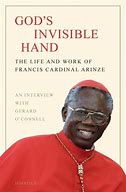 GOD'S INVISIBLE HAND
1 × €14.00
GOD'S INVISIBLE HAND
1 × €14.00 -
×
 101 QUESTIONS & ANSWERS ON VATICAN II
1 × €12.80
101 QUESTIONS & ANSWERS ON VATICAN II
1 × €12.80 -
×
 ID-DINJA TAL-ISPORTS
1 × €4.75
ID-DINJA TAL-ISPORTS
1 × €4.75 -
×
 THE APOSTOLIC ORIGINS OF PRIESTLY CELIBA
1 × €25.50
THE APOSTOLIC ORIGINS OF PRIESTLY CELIBA
1 × €25.50 -
×
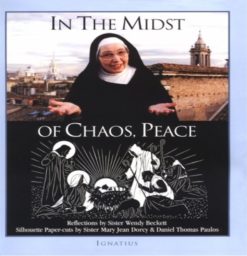 IN THE MIDST OF CHAOS, PEACE
1 × €18.00
IN THE MIDST OF CHAOS, PEACE
1 × €18.00 -
×
MORAL PHILOSOPHY AND SOCIAL ETHICS
1 × €7.00
-
×
 THE THREEFOLD GARLAND
1 × €9.50
THE THREEFOLD GARLAND
1 × €9.50 -
×
BRIDAL VEIL
1 × €2.30
-
×
 SEEING IN THE DARK
1 × €14.00
SEEING IN THE DARK
1 × €14.00 -
×
 LIVING MOMENTS OF LOVE
1 × €1.99
LIVING MOMENTS OF LOVE
1 × €1.99 -
×
'I REMEMBER SOMEONE… PHONE BOOK
1 × €2.50
-
×
 PASTORAL COUNSELING IN A GLOBAL CHURCH
1 × €15.25
PASTORAL COUNSELING IN A GLOBAL CHURCH
1 × €15.25 -
×
 MARY WITH US
1 × €5.00
MARY WITH US
1 × €5.00 -
×
 ABBA FATHER
1 × €14.00
ABBA FATHER
1 × €14.00 -
×
 LOVE AND LIFE TEACHERS MANUAL
1 × €6.99
LOVE AND LIFE TEACHERS MANUAL
1 × €6.99 -
×
 GUIDANCE TO HEAVEN
1 × €7.00
GUIDANCE TO HEAVEN
1 × €7.00

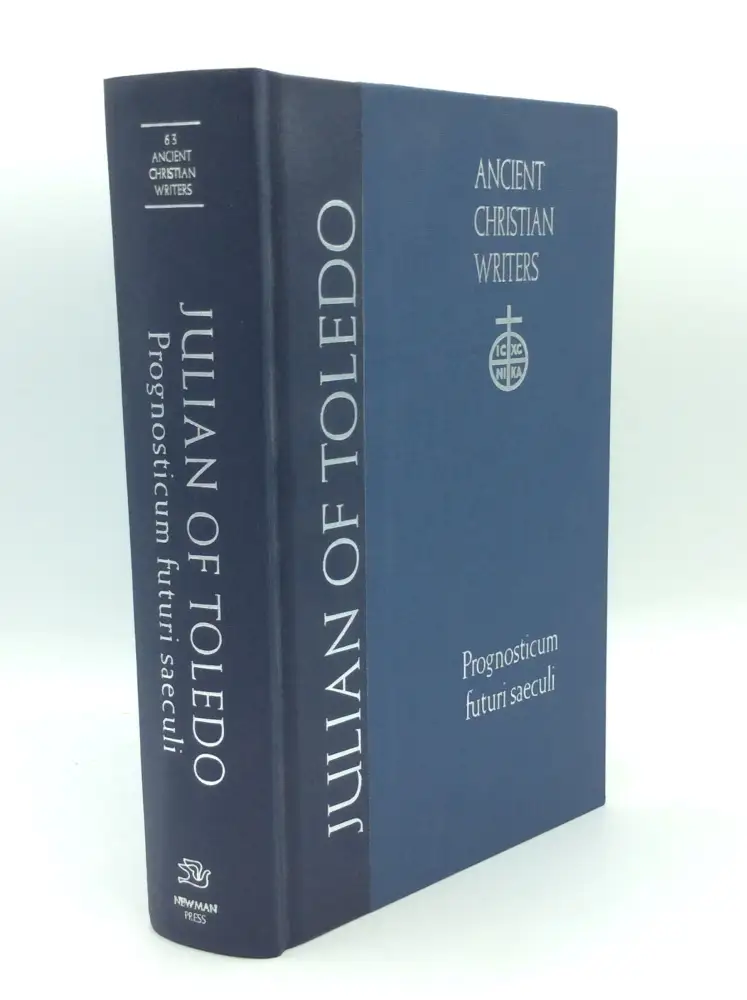
Julian Of Toledo
€42.00
In stock
What happens when we die? Can the dead “see” what’s happening on earth? What will we be like in our resurrected bodies? Do the souls in paradise know about the souls in hell? What about purgatory? These and other questions about the afterlife have fascinated Christians since the earliest times. Julian (624-690), Bishop of Toledo in Spain, was the first theologian to compile a systematic treatise on Christian eschatology. He did not advance his own theories but instead drew on and synthesized the wisdom of the Church Fathers before him and thereby made their thought available to a wide readership; before long, copies of Julian’s Prognosticum had made their way into libraries all over Europe. Seventh-century Spain, in which the traditional Hispanic-Roman and the new Visigothic cultures both blended and competed, was a fascinating era in the church. Translator and editor Tommaso Stancati provides, in addition to his translation of the Prognosticum, a magisterial four-chapter introduction to Julian’s life and times along with extensive and detailed notes.
Related products