-
×
 SMALL LASRER NATIVITY CRIB WITH LIGHT
1 × €25.00
SMALL LASRER NATIVITY CRIB WITH LIGHT
1 × €25.00 -
×
 15 PASTUR BIL-FANAL 6.5CM
1 × €4.95
15 PASTUR BIL-FANAL 6.5CM
1 × €4.95 -
×
 DAWN INKITBU BIEX INTOM TEMMNU
1 × €39.00
DAWN INKITBU BIEX INTOM TEMMNU
1 × €39.00 -
×
 CON4HN1 CUAD MARY&CHILD 8X18.5CM
1 × €85.50
CON4HN1 CUAD MARY&CHILD 8X18.5CM
1 × €85.50 -
×
 ST. ALPHONSA A WOMAN OF THE BEATITUDES
1 × €5.00
ST. ALPHONSA A WOMAN OF THE BEATITUDES
1 × €5.00 -
×
 ST. DMNIC SAVIO AHEAD OF THE CROWD
1 × €2.50
ST. DMNIC SAVIO AHEAD OF THE CROWD
1 × €2.50 -
×
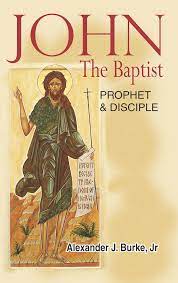 JOHN THE BAPTIST
1 × €3.50
JOHN THE BAPTIST
1 × €3.50 -
×
 AUTOBIOGRAPHY OF ST.GEMMA GALGANI
1 × €13.50
AUTOBIOGRAPHY OF ST.GEMMA GALGANI
1 × €13.50 -
×
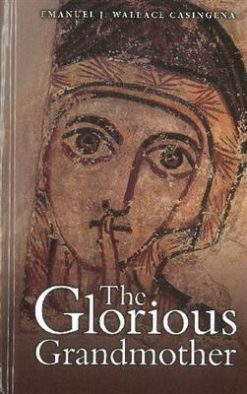 THE GLORIOUS GRANDMOTHER
1 × €20.00
THE GLORIOUS GRANDMOTHER
1 × €20.00 -
×
 17CM S.FRANCESCO 655
1 × €15.00
17CM S.FRANCESCO 655
1 × €15.00 -
×
SMALL NATIVITY PEBBLE ART CRIB
1 × €29.75
-
×
 YOUR SINS ARE FORGIVEN YOU
1 × €7.00
YOUR SINS ARE FORGIVEN YOU
1 × €7.00 -
×
801 - CARPET HOUSE
1 × €44.50
-
×
 INVISIBLE LINES OF CONNECTION
1 × €7.00
INVISIBLE LINES OF CONNECTION
1 × €7.00
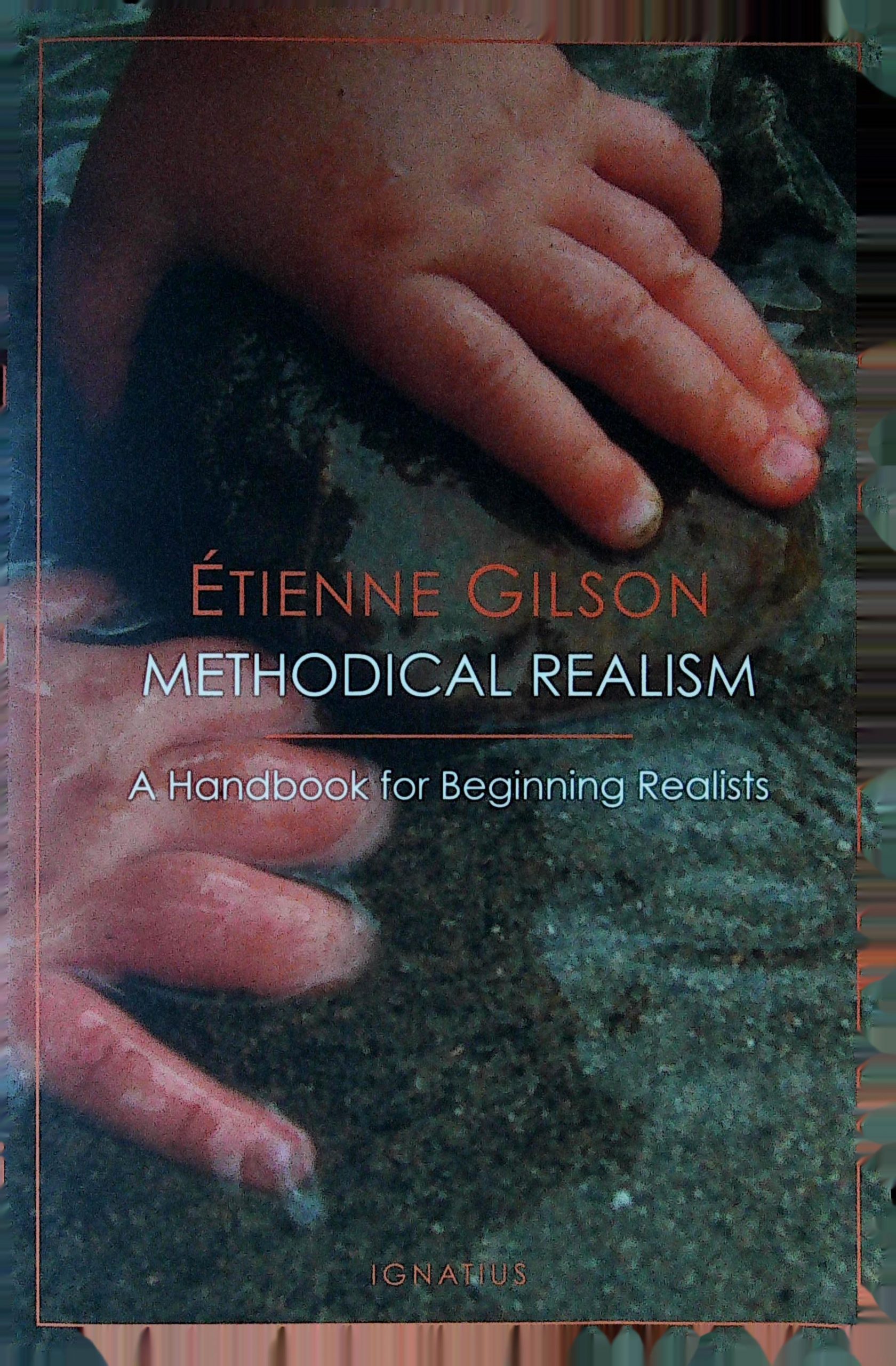
Methodical Realism
€11.50
In stock
This short book is a work of one of the 20th century’s greatest philosophers and historians of philosophy, Etienne Gilson. The book’s title, taken from the first chapter, may sound esoteric but it reflects a common-sense outlook on the world, applied in a “methodical” way. That approach, known as realism, consists in emphasizing the fact that what is real precedes our concepts about it. In contrast to realism stands idealism, which refers to the philosophical outlook that begins with ideas and tries to move from them to things.
Gilson shows how the common-sense notion of realism, though denied by many thinkers, is indispensible for a correct understanding of things — of what is and how we know what is. He shows the flaws of idealism and he critiques efforts to introduce elements of idealism into realist philosophy (“immediate realism”). At the same time, the author criticizes failures of certain realist philosophers — including Aristotle — to be consistent in their own principles and to begin from sound starting points. To these problems, Gilson traces medieval philosophy’s failure in the realm of science, which led early modern scientific thinkers of the 17th century unnecessarily to reject even the best of medieval scholastic philosophy.
He concludes with “The Realist Beginner’s Handbook”, a summary of key points for thinking clearly about reality and about the knowledge of it.
Related products