-
×
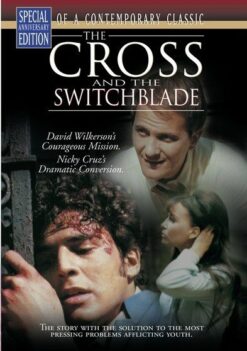 THE CROSS AND THE SWITCH BLADE
1 × €15.50
THE CROSS AND THE SWITCH BLADE
1 × €15.50 -
×
 18CM PADRE PIO 661
1 × €15.00
18CM PADRE PIO 661
1 × €15.00 -
×
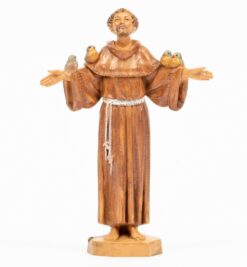 17CM S.FRANCESCO 655
1 × €15.00
17CM S.FRANCESCO 655
1 × €15.00 -
×
 DONUT MAN AFTER SCHOOL & THE REPAIR SHOP
1 × €14.00
DONUT MAN AFTER SCHOOL & THE REPAIR SHOP
1 × €14.00 -
×
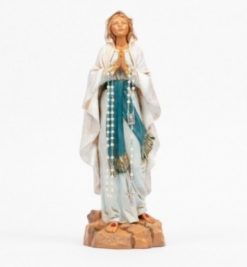 31CM LOURDES 882
1 × €40.00
31CM LOURDES 882
1 × €40.00 -
×
 MONSIEUR VINCENT
1 × €20.50
MONSIEUR VINCENT
1 × €20.50 -
×
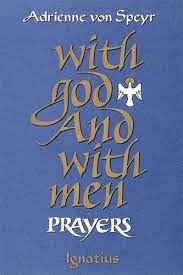 WITH GOD AND WITH MEN
1 × €8.50
WITH GOD AND WITH MEN
1 × €8.50 -
×
 DONUT MAN THE DONUT AL-STAR & AT THE ZOO
1 × €14.00
DONUT MAN THE DONUT AL-STAR & AT THE ZOO
1 × €14.00 -
×
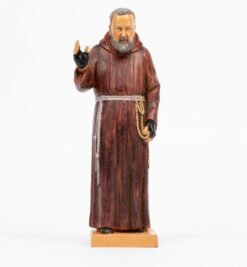 30CM PADRE PIO 891
1 × €40.00
30CM PADRE PIO 891
1 × €40.00 -
×
 STORY KEEPERS BREAKOUT & RAGING WATERS
1 × €14.00
STORY KEEPERS BREAKOUT & RAGING WATERS
1 × €14.00 -
×
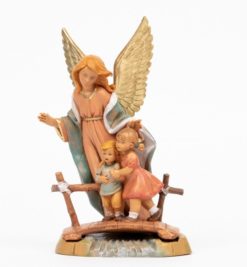 374 - 18CM GUARDIAN ANGEL WITH CHILDREN
1 × €28.00
374 - 18CM GUARDIAN ANGEL WITH CHILDREN
1 × €28.00 -
×
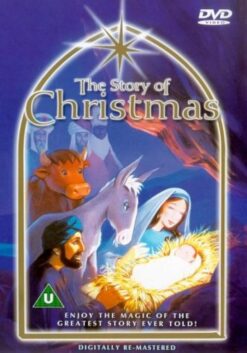 THE STORY OF CHRISTMAS
1 × €13.50
THE STORY OF CHRISTMAS
1 × €13.50 -
×
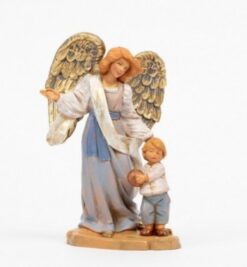 393- 13CM ANGELWITH BOY
1 × €14.75
393- 13CM ANGELWITH BOY
1 × €14.75 -
×
 410 LOURDES -23CM
1 × €20.00
410 LOURDES -23CM
1 × €20.00 -
×
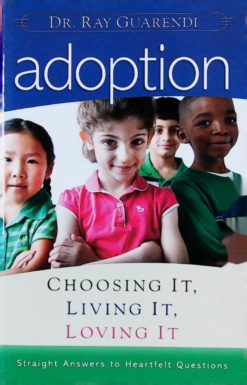 ADOPTION CHOOSING IT LIVING IT
1 × €13.00
ADOPTION CHOOSING IT LIVING IT
1 × €13.00 -
×
DICTIONARY OF CHRISTIAN BIOGRAPHY
1 × €73.00
-
×
 11CM ST. FRANCIS & ANIMALS (649)
1 × €15.00
11CM ST. FRANCIS & ANIMALS (649)
1 × €15.00 -
×
SOMETHING TO THINK A COLLECT OF QOUTATIO
1 × €2.35
-
×
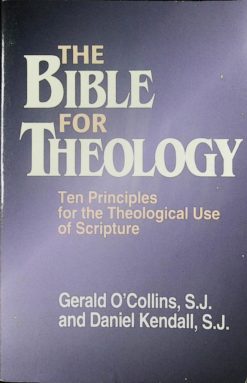 THE BIBLE THEOLOGY TEN PRINCIPLES FOR
1 × €14.00
THE BIBLE THEOLOGY TEN PRINCIPLES FOR
1 × €14.00 -
×
CATHOLIC MARIAN CLASSICS VOL.VI
1 × €15.00
-
×
 PINK PRAYER BOOK COPING HEALING SURVIVN
1 × €6.00
PINK PRAYER BOOK COPING HEALING SURVIVN
1 × €6.00 -
×
 I AM GOD`S MASTERPIECE
1 × €0.70
I AM GOD`S MASTERPIECE
1 × €0.70 -
×
 LIVING MOMENTS OF LOVE
1 × €1.99
LIVING MOMENTS OF LOVE
1 × €1.99 -
×
 31CM SAN FRANCESCO 885
1 × €40.00
31CM SAN FRANCESCO 885
1 × €40.00 -
×
 MELITA THEOLOGICA
1 × €5.00
MELITA THEOLOGICA
1 × €5.00 -
×
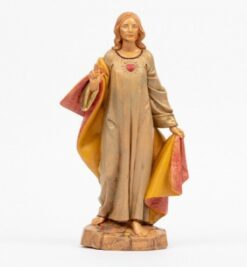 884 31CM SACRED HEART OF JESUS
1 × €40.00
884 31CM SACRED HEART OF JESUS
1 × €40.00 -
×
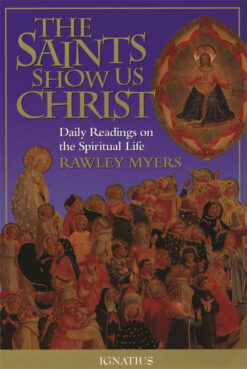 THE SAINTS SHOW US CHRIST
1 × €12.00
THE SAINTS SHOW US CHRIST
1 × €12.00

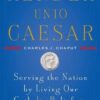
Render Unto Caesar
€12.00
In stock
“People who take God seriously will not remain silent about their faith. They will often disagree about doctrine or policy, but they won’t be quiet. They can’t be. They’ll act on what they believe, sometimes at the cost of their reputations and careers. Obviously the common good demands a respect for other people with different beliefs and a willingness to compromise whenever possible. But for Catholics, the common good can never mean muting themselves in public debate on foundational issues of human dignity. Christian faith is always personal but never private. This is why any notion of tolerance that tries to reduce faith to private idiosyncrasy, or a set of opinions that we can indulge at home but need to be quiet about in public, will always fail.”
—From the Introduction
Few topics in recent years have ignited as much public debate as the balance between religion and politics. Does religious thought have any place in political discourse? Do religious believers have the right to turn their values into political action? What does it truly mean to have a separation of church and state? The very heart of these important questions is here addressed by one of the leading voices on the topic, Charles J. Chaput, Archbishop of Denver.
While American society has ample room for believers and nonbelievers alike, Chaput argues, our public life must be considered within the context of its Christian roots. American democracy does not ask its citizens to put aside their deeply held moral and religious beliefs for the sake of public policy. In fact, it requires exactly the opposite.
As the nation’s founders knew very well, people are fallible. The majority of voters, as history has shown again and again, can be uninformed, misinformed, biased, or simply wrong. Thus, to survive, American democracy depends on an engaged citizenry —people of character, including religious believers, fighting for their beliefs in the public square—respectfully but vigorously, and without apology. Anything less is bad citizenship and a form of theft from the nation’s health. Or as the author suggests: Good manners are not an excuse for political cowardice.
American Catholics and other persons of goodwill are part of a struggle for our nation’s future, says Charles J. Chaput. Our choices, including our political choices, matter. Catholics need to take an active, vocal, and morally consistent role in public debate. We can’t claim to personally believe in the sanctity of the human person, and then act in our public policies as if we don’t. We can’t separate our private convictions from our public actions without diminishing both. In the words of the author, “How we act works backward on our convictions, making them stronger or smothering them under a snowfall of alibis.”
Vivid, provocative, clear, and compelling, Render unto Caesar is a call to American Catholics to serve the highest ideals of their nation by first living their Catholic faith deeply, authentically.
Related products