-
×
 17CM BAMBINO DI PRAGA
2 × €15.00
17CM BAMBINO DI PRAGA
2 × €15.00 -
×
 WHO HAS GOD`S LIFE? TEACHER`S MANUAL 1
1 × €18.00
WHO HAS GOD`S LIFE? TEACHER`S MANUAL 1
1 × €18.00 -
×
 MINN QALB IL-PATRI
1 × €3.50
MINN QALB IL-PATRI
1 × €3.50 -
×
 19830 POSTER HE IS RESIN
1 × €5.00
19830 POSTER HE IS RESIN
1 × €5.00 -
×
 GOOD MANNERS
1 × €0.70
GOOD MANNERS
1 × €0.70 -
×
 THE LITURGICAL MINISTRY OF DEACONS
1 × €6.50
THE LITURGICAL MINISTRY OF DEACONS
1 × €6.50 -
×
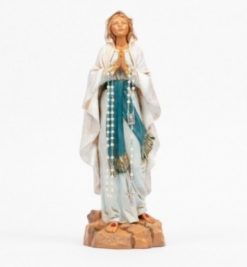 31CM LOURDES 882
1 × €40.00
31CM LOURDES 882
1 × €40.00 -
×
 L-ISTORJA TAL-PAPA GWANNI PAWLU II
2 × €4.95
L-ISTORJA TAL-PAPA GWANNI PAWLU II
2 × €4.95 -
×
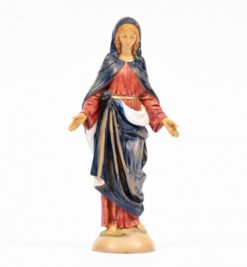 411 - 23CM IMMAKULATA KUNCIZZJONI
1 × €20.00
411 - 23CM IMMAKULATA KUNCIZZJONI
1 × €20.00 -
×
100 INSPIRING ANECDOTES WITH SHORT REFLE
1 × €3.50
-
×
CARPE DIEM
1 × €1.30
-
×
 PREACHING THE EPISTLES
1 × €9.50
PREACHING THE EPISTLES
1 × €9.50 -
×
 CALEB IN JESUS IS OUR BEST FRIEND
1 × €0.60
CALEB IN JESUS IS OUR BEST FRIEND
1 × €0.60 -
×
 ALL IN THE END IS HARVEST
1 × €13.40
ALL IN THE END IS HARVEST
1 × €13.40 -
×
 THE NEWMAN COMPEND FOR SUNDA AND FEASTDA
1 × €7.00
THE NEWMAN COMPEND FOR SUNDA AND FEASTDA
1 × €7.00 -
×
 FAREWELL
1 × €1.15
FAREWELL
1 × €1.15 -
×
 URODIVOI
1 × €4.65
URODIVOI
1 × €4.65 -
×
 OUR TASK
1 × €15.00
OUR TASK
1 × €15.00 -
×
 REFRESHED BY THE WORD CYCLE A
1 × €8.15
REFRESHED BY THE WORD CYCLE A
1 × €8.15 -
×
RENEWAL IN LATE LIFE THROUGH PASTORAL CO
1 × €9.35
-
×
 DOMINICAN SAINTS
1 × €16.00
DOMINICAN SAINTS
1 × €16.00 -
×
 A VIEW FROM THE STEEPLE: FR. MANTON
1 × €4.99
A VIEW FROM THE STEEPLE: FR. MANTON
1 × €4.99 -
×
 890ABC FATIMA CHILDREN 16CM
1 × €30.00
890ABC FATIMA CHILDREN 16CM
1 × €30.00 -
×
 ONE SIP AT A TIME
1 × €1.15
ONE SIP AT A TIME
1 × €1.15 -
×
 TURN TO GOD REJOICE IN HOPE
1 × €3.00
TURN TO GOD REJOICE IN HOPE
1 × €3.00 -
×
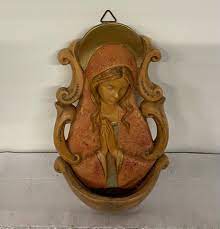 846 - ACQUASANTIERA C/MADONNA 16CM
1 × €15.00
846 - ACQUASANTIERA C/MADONNA 16CM
1 × €15.00 -
×
 MARRIAGE HOMILIES
1 × €3.00
MARRIAGE HOMILIES
1 × €3.00 -
×
 ID-DINJA TAL-ISPORTS
1 × €4.75
ID-DINJA TAL-ISPORTS
1 × €4.75

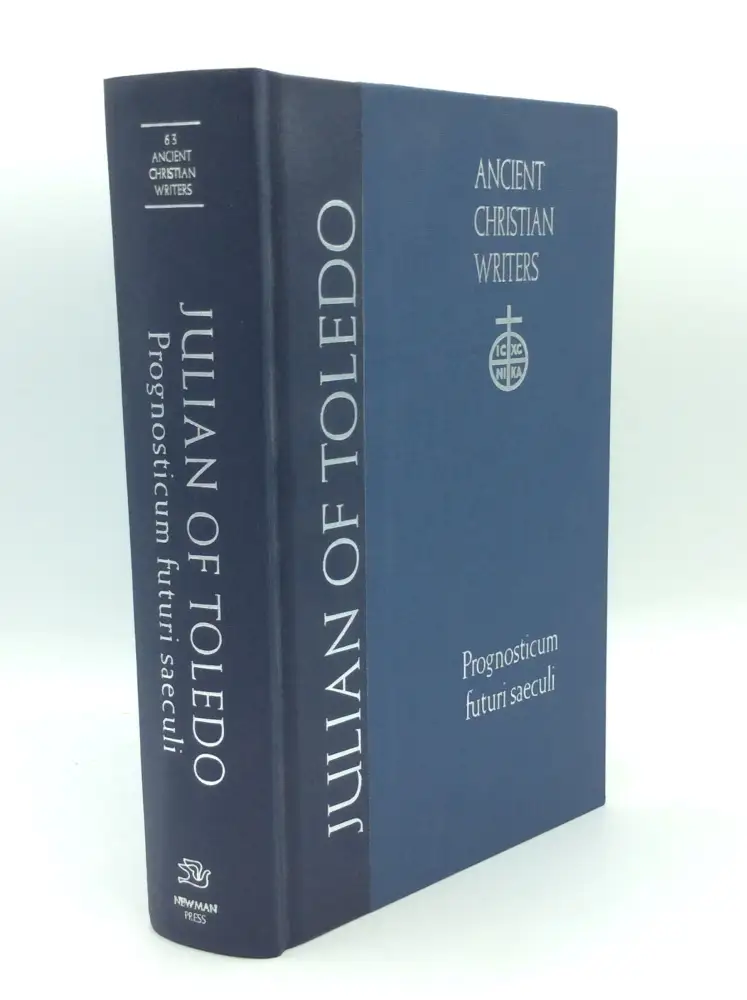
Julian Of Toledo
€42.00
In stock
What happens when we die? Can the dead “see” what’s happening on earth? What will we be like in our resurrected bodies? Do the souls in paradise know about the souls in hell? What about purgatory? These and other questions about the afterlife have fascinated Christians since the earliest times. Julian (624-690), Bishop of Toledo in Spain, was the first theologian to compile a systematic treatise on Christian eschatology. He did not advance his own theories but instead drew on and synthesized the wisdom of the Church Fathers before him and thereby made their thought available to a wide readership; before long, copies of Julian’s Prognosticum had made their way into libraries all over Europe. Seventh-century Spain, in which the traditional Hispanic-Roman and the new Visigothic cultures both blended and competed, was a fascinating era in the church. Translator and editor Tommaso Stancati provides, in addition to his translation of the Prognosticum, a magisterial four-chapter introduction to Julian’s life and times along with extensive and detailed notes.
Related products