-
×
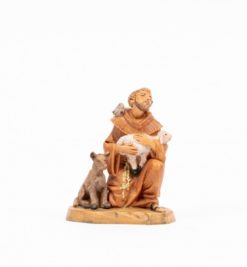 11CM ST. FRANCIS & ANIMALS (649)
1 × €15.00
11CM ST. FRANCIS & ANIMALS (649)
1 × €15.00 -
×
 A HISTORY OF PHILOSOPHY VOL 4
1 × €19.80
A HISTORY OF PHILOSOPHY VOL 4
1 × €19.80 -
×
 THE ART OF MARY A CELEBRATION IN ICONS
1 × €12.00
THE ART OF MARY A CELEBRATION IN ICONS
1 × €12.00 -
×
 1792RO FRAME ANGEL PINK
1 × €4.75
1792RO FRAME ANGEL PINK
1 × €4.75 -
×
 HEALING THROUGH THE EUCHARIST
1 × €5.00
HEALING THROUGH THE EUCHARIST
1 × €5.00 -
×
 18 - MADONNA AUSILATRICI 19CM
2 × €19.50
18 - MADONNA AUSILATRICI 19CM
2 × €19.50 -
×
 THE SCIENCE OF HISTORICAL THEOLOGY
1 × €15.00
THE SCIENCE OF HISTORICAL THEOLOGY
1 × €15.00 -
×
 THE PRIEST IS NOT HIS OWN
1 × €8.00
THE PRIEST IS NOT HIS OWN
1 × €8.00 -
×
 890ABC FATIMA CHILDREN 16CM
1 × €30.00
890ABC FATIMA CHILDREN 16CM
1 × €30.00 -
×
 7114ALIN - BOOKMARKS TAL-GUARDIAN ANGE)
1 × €3.25
7114ALIN - BOOKMARKS TAL-GUARDIAN ANGE)
1 × €3.25 -
×
THE INSPIRATIONAL WEDDING PLANNER
1 × €9.30
-
×
 I LIKE BEING CATHOLIC
1 × €11.65
I LIKE BEING CATHOLIC
1 × €11.65 -
×
 LOVE IS A FLAME OF THE LORD
1 × €14.00
LOVE IS A FLAME OF THE LORD
1 × €14.00 -
×
 HONORING THE SELF
1 × €7.00
HONORING THE SELF
1 × €7.00 -
×
 THE PILGRIM GUIDES
1 × €2.30
THE PILGRIM GUIDES
1 × €2.30 -
×
MAGNET MOM
1 × €3.50
-
×
 THE GIFT OF THE PRIESTLY VOCATION
1 × €8.00
THE GIFT OF THE PRIESTLY VOCATION
1 × €8.00 -
×
 PALM OF MY HAND (135)
1 × €9.50
PALM OF MY HAND (135)
1 × €9.50 -
×
18CM MADONNA MIRAKOLUZA 1101
1 × €10.50
-
×
 IN SEARCH OF THE WOUNDED HEALER
1 × €4.65
IN SEARCH OF THE WOUNDED HEALER
1 × €4.65 -
×
 HIDDEN SPINGS TO HEALING
1 × €2.90
HIDDEN SPINGS TO HEALING
1 × €2.90 -
×
 101 QUESTIONS & ANSWERS ON VATICAN II
1 × €12.80
101 QUESTIONS & ANSWERS ON VATICAN II
1 × €12.80 -
×
 31CM ST. JOSEPH 883
1 × €40.00
31CM ST. JOSEPH 883
1 × €40.00 -
×
 THE STORY OF ATONEMENT
1 × €10.00
THE STORY OF ATONEMENT
1 × €10.00

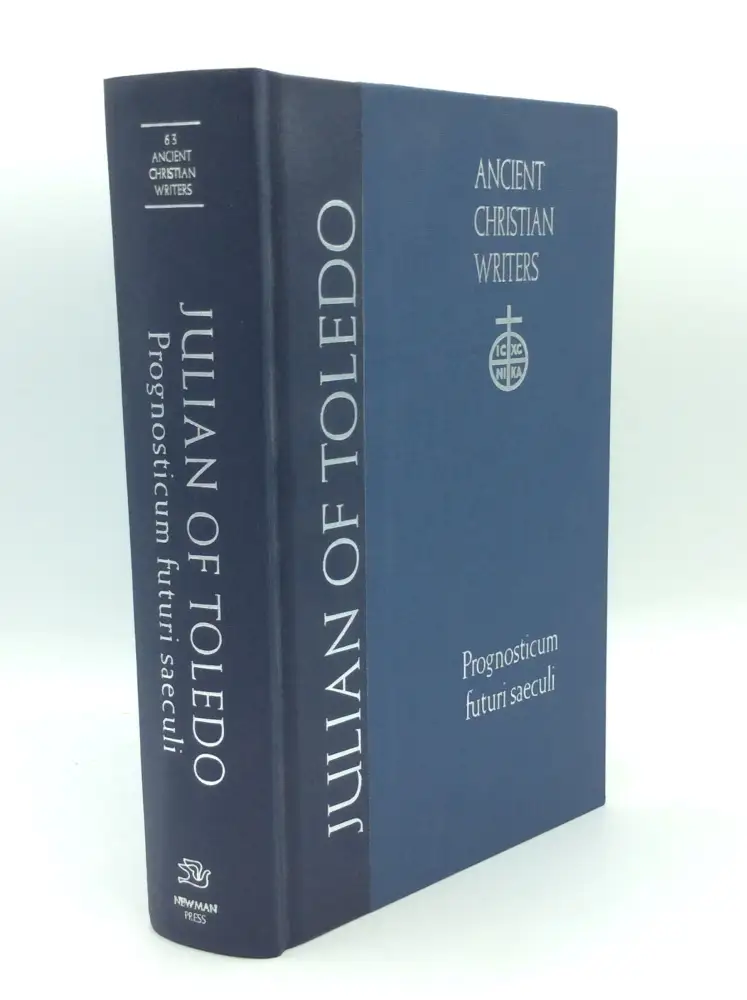
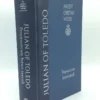
Julian Of Toledo
€42.00
In stock
What happens when we die? Can the dead “see” what’s happening on earth? What will we be like in our resurrected bodies? Do the souls in paradise know about the souls in hell? What about purgatory? These and other questions about the afterlife have fascinated Christians since the earliest times. Julian (624-690), Bishop of Toledo in Spain, was the first theologian to compile a systematic treatise on Christian eschatology. He did not advance his own theories but instead drew on and synthesized the wisdom of the Church Fathers before him and thereby made their thought available to a wide readership; before long, copies of Julian’s Prognosticum had made their way into libraries all over Europe. Seventh-century Spain, in which the traditional Hispanic-Roman and the new Visigothic cultures both blended and competed, was a fascinating era in the church. Translator and editor Tommaso Stancati provides, in addition to his translation of the Prognosticum, a magisterial four-chapter introduction to Julian’s life and times along with extensive and detailed notes.
Related products