-
×
 STRANNIK
1 × €4.65
STRANNIK
1 × €4.65 -
×
 LORD WHO ARE YOU? THE STORY OF PAUL & TH
2 × €7.00
LORD WHO ARE YOU? THE STORY OF PAUL & TH
2 × €7.00 -
×
 SIX WORLD FAITHS
1 × €5.00
SIX WORLD FAITHS
1 × €5.00 -
×
 THE CATHOLIC CHURCH & SCIENCE
1 × €9.50
THE CATHOLIC CHURCH & SCIENCE
1 × €9.50 -
×
 IT`S EASY TO LOVE THY NEIGHBOR
1 × €14.00
IT`S EASY TO LOVE THY NEIGHBOR
1 × €14.00 -
×
 NIBDEW FLIMKIEN
1 × €2.90
NIBDEW FLIMKIEN
1 × €2.90 -
×
 GUIDANCE TO HEAVEN
1 × €7.00
GUIDANCE TO HEAVEN
1 × €7.00 -
×
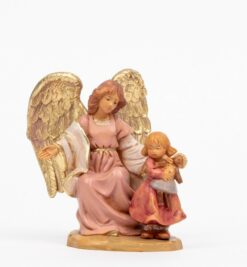 394 - 10CM GUARDIAN ANGEL W/GIRL
1 × €14.50
394 - 10CM GUARDIAN ANGEL W/GIRL
1 × €14.50 -
×
 MONSIEUR VINCENT
1 × €20.50
MONSIEUR VINCENT
1 × €20.50 -
×
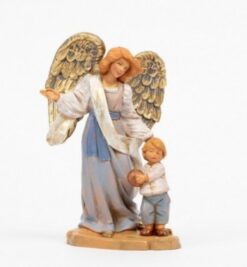 393- 13CM ANGELWITH BOY
1 × €14.75
393- 13CM ANGELWITH BOY
1 × €14.75 -
×
 OUR TASK
1 × €15.00
OUR TASK
1 × €15.00 -
×
 JIDDU BHAX-XEMX
1 × €4.65
JIDDU BHAX-XEMX
1 × €4.65 -
×
 THE ART OF DYNAMIC THINKING
1 × €2.35
THE ART OF DYNAMIC THINKING
1 × €2.35 -
×
 THE SPIRIT OF THE LITURGY
1 × €13.50
THE SPIRIT OF THE LITURGY
1 × €13.50 -
×
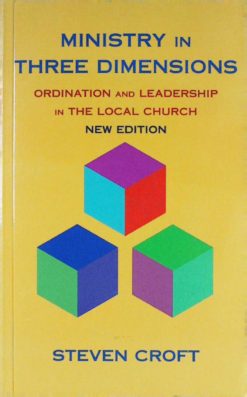 MINISTRY IN THREE DIMENSIONS
1 × €21.00
MINISTRY IN THREE DIMENSIONS
1 × €21.00 -
×
 IL-HBIEB TAGHNA L-ANNIMALI
1 × €4.75
IL-HBIEB TAGHNA L-ANNIMALI
1 × €4.75 -
×
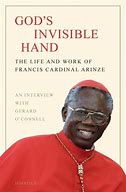 GOD'S INVISIBLE HAND
1 × €14.00
GOD'S INVISIBLE HAND
1 × €14.00 -
×
 VADEMECUM FOR CONFESSORS CONCERNING SOME
1 × €0.90
VADEMECUM FOR CONFESSORS CONCERNING SOME
1 × €0.90 -
×
 THE GOSPEL ACCORDING TO DEBORAH
2 × €7.00
THE GOSPEL ACCORDING TO DEBORAH
2 × €7.00 -
×
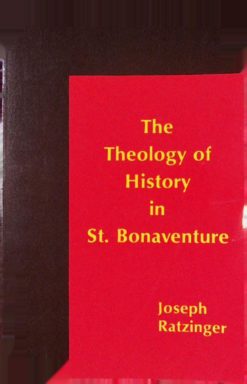 THE THEOLOGY OF HISTORY IN ST BONAVENTUR
1 × €15.00
THE THEOLOGY OF HISTORY IN ST BONAVENTUR
1 × €15.00 -
×
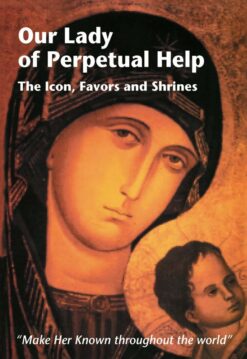 OUR LADY OF PERPETUAL HELP
1 × €10.00
OUR LADY OF PERPETUAL HELP
1 × €10.00 -
×
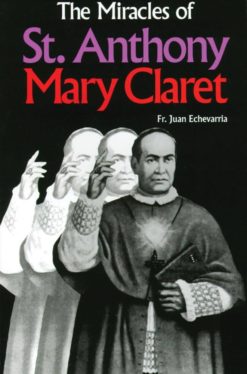 THE MIRACLES OF ST. ANTHONY MARY CLARET
1 × €13.00
THE MIRACLES OF ST. ANTHONY MARY CLARET
1 × €13.00 -
×
A GENTILMAN`S KISS
1 × €2.30
-
×
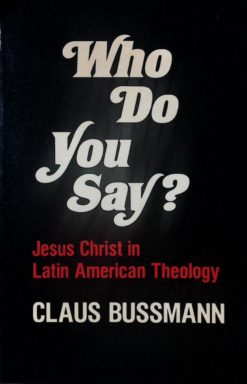 WHO DO YOU SAY?
1 × €5.00
WHO DO YOU SAY?
1 × €5.00



Responses To 101 Questions On The Mass
€5.00
In stock
“Where do the term ‘Mass’ come from? Why are Catholics obliged to attend Sunday Mass? What is the difference between a Mass and a communion service? Who decides the cycle of readings in the lectionary and why? Is the creed always necessary at Mass? Where does the collection money go? Why does the priest wash his hands after the presentation of the gifts? What kind of music is allowed? Can someone receive communion more than once a day? Now can the real presence of our Lord continue in the bread and wine after the eucharistic celebration has ended?” In Responses to 101 Questions on the Mass, Kevin W. Irwin provides a thorough explanation of the Mass. He explores its historical, theological and liturgical aspects and describes how the celebration of the Eucharist derives from and relates to daily life. Among the subjects Irwin covers in this one-volume study are liturgical roles, the reform of the liturgy, the structure and meaning of the various parts of the Mass, music in the liturgy and eucharistic doctrine. This book provides a valuable resource for anyone seeking a better understanding of the central sacrament of Catholic worship.
Related products