-
×
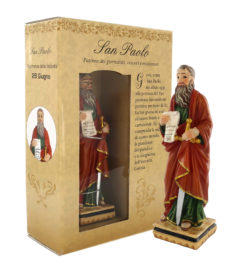 120412PAI STATUA ST. PAUL
1 × €12.00
120412PAI STATUA ST. PAUL
1 × €12.00 -
×
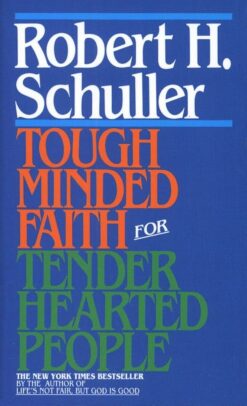 TOUGH MINDED FAITH FOR TENDER HEARTED PE
1 × €7.00
TOUGH MINDED FAITH FOR TENDER HEARTED PE
1 × €7.00 -
×
 18CM MADONNA MIRAKOLUZA 1101
1 × €10.50
18CM MADONNA MIRAKOLUZA 1101
1 × €10.50 -
×
 PASTORAL COUNSELING IN A GLOBAL CHURCH
1 × €15.25
PASTORAL COUNSELING IN A GLOBAL CHURCH
1 × €15.25 -
×
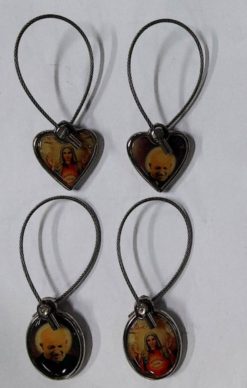 METAL KEYCHAIN WITH AZZAR
1 × €2.00
METAL KEYCHAIN WITH AZZAR
1 × €2.00 -
×
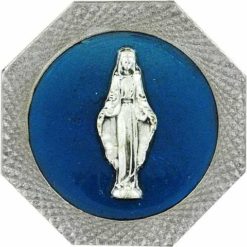 0695CAMI OCTAG MAGNET WITH MADONN MIRAKL
1 × €2.50
0695CAMI OCTAG MAGNET WITH MADONN MIRAKL
1 × €2.50 -
×
COMFORT IN SORROW
1 × €1.30
-
×
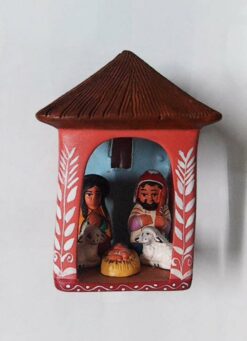 PERUVIAN CAPANNA CRIB
1 × €18.75
PERUVIAN CAPANNA CRIB
1 × €18.75 -
×
 GATEWAY TO PARADISE
1 × €2.30
GATEWAY TO PARADISE
1 × €2.30
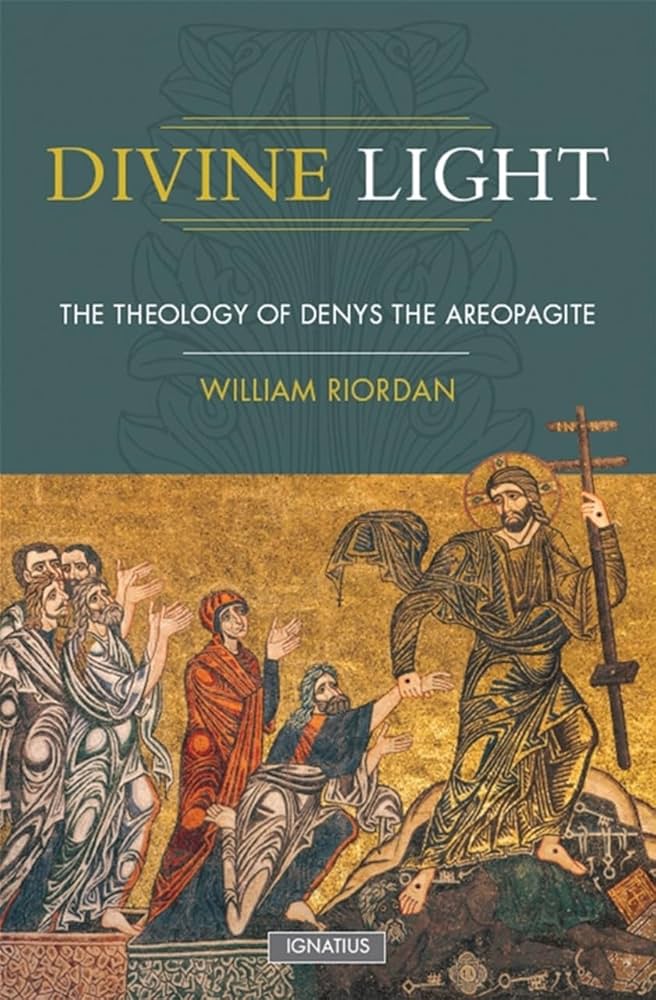
Divine Light The Theology Of Denys The A
€19.00
In stock
In his missionary journeys, St. Paul spoke in a number of cities in the Greek peninsula including Athens, renowned for its philosophical heritage. He addressed to them the message of the One, Unknown God (Acts 17:22ff). Among those present in the Areopagus (the open city center of Athens) on that day was a certain Denys (Dionysios) who eventually became a disciple of Paul.
Centuries later, a corpus of writings appeared bearing the name of the Denys the Areopagite. These texts were considered to be the writings of the first century disciple of the Apostle Paul and thus achieved almost immediate prominence, strongly influencing the lives of St. Maximus the Confessor (d. 662) and St. John Damascene (d.749) in the East and Eriugena (d. 877), St. Bede (d. 735), St. Bernard (d.1153) St. Thomas Aquinas (d. 1272) Nicholas of Cusa (d. 1464), St. John of the Cross (d. 1591), and many other great minds in the West.
Later historical studies of Denys’ texts, especially during the 19th century, showed conclusively that the writings are of a later date (5th century) than had generally been thought. Hence, the appending of “Pseudo-” before the name of Denys (Pseudo-Denys, Pseudo-Dionysius) became common place.
Related products