-
×
 124465 STATUA FATIMA 65CM
1 × €210.00
124465 STATUA FATIMA 65CM
1 × €210.00 -
×
 ST. LOUIS DE MONTFORT
1 × €9.95
ST. LOUIS DE MONTFORT
1 × €9.95 -
×
 ICON ON WOOD 12X13CM
1 × €4.25
ICON ON WOOD 12X13CM
1 × €4.25 -
×
 HOPE AND HISTORY
1 × €12.00
HOPE AND HISTORY
1 × €12.00 -
×
 SEEDS OF ETERNITY
1 × €2.00
SEEDS OF ETERNITY
1 × €2.00 -
×
PASTOR'S PRAYER FRAME WITH BASE
1 × €14.00
-
×
1569D1 CROSS PENTECOSTE WOOD 7.5X10CM
1 × €2.75
-
×
 GES07A BAMBIN 7CM PLASTIC
1 × €2.25
GES07A BAMBIN 7CM PLASTIC
1 × €2.25 -
×
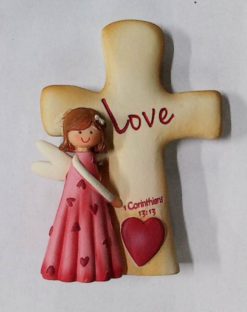 LOVE CROSS W ANGEL
1 × €12.00
LOVE CROSS W ANGEL
1 × €12.00 -
×
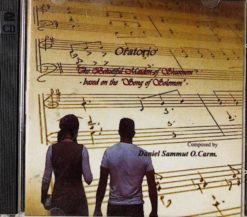 THE BEAUTIFUL MAIDEN OF SHUNNEM ORATORIO
1 × €15.00
THE BEAUTIFUL MAIDEN OF SHUNNEM ORATORIO
1 × €15.00 -
×
 SOCRATES' CHILDREN
1 × €67.50
SOCRATES' CHILDREN
1 × €67.50 -
×
 DS0983 NATIVITY - 20CM - 8PCS
1 × €63.50
DS0983 NATIVITY - 20CM - 8PCS
1 × €63.50 -
×
 101 QUESTIONS & ANSWERS ON THE BIBLE
1 × €14.00
101 QUESTIONS & ANSWERS ON THE BIBLE
1 × €14.00 -
×
 ANGEL HOPE RESIN
1 × €6.00
ANGEL HOPE RESIN
1 × €6.00 -
×
LOVE, 1 COR. 13:4-7 PHOTO FRAME
1 × €11.00
-
×
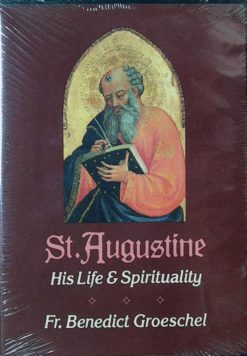 ST. AUGUSTINE HIS LIFE & SPIRITUALITY
1 × €20.50
ST. AUGUSTINE HIS LIFE & SPIRITUALITY
1 × €20.50 -
×
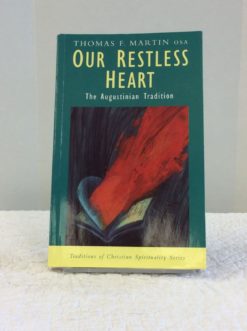 OUR RESTLESS HEART
1 × €11.00
OUR RESTLESS HEART
1 × €11.00 -
×
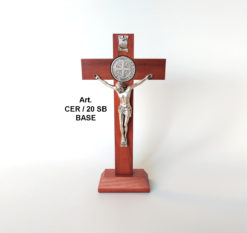 CER20SBBASE - ST. BEN WOODEN CROSS+BASE
1 × €13.50
CER20SBBASE - ST. BEN WOODEN CROSS+BASE
1 × €13.50 -
×
 IL-PACI TAL-QALB: 50 RIFLESSJONI
1 × €7.99
IL-PACI TAL-QALB: 50 RIFLESSJONI
1 × €7.99 -
×
 AG2STOCK - ANGEL PLAYING MADALINA
1 × €2.50
AG2STOCK - ANGEL PLAYING MADALINA
1 × €2.50 -
×
PB18004 - NATIVITY - 6CM
1 × €3.50
-
×
 JOURNEY INTO THE BIBLE
1 × €11.00
JOURNEY INTO THE BIBLE
1 × €11.00 -
×
 HIS NAME IS JESUS
1 × €2.50
HIS NAME IS JESUS
1 × €2.50 -
×
155503 ICON SACRA FAMILJA WOOD 26X20
1 × €15.00
-
×
 CURRENT APPROACHES IN THE COGNITIVE SCIE
1 × €7.00
CURRENT APPROACHES IN THE COGNITIVE SCIE
1 × €7.00
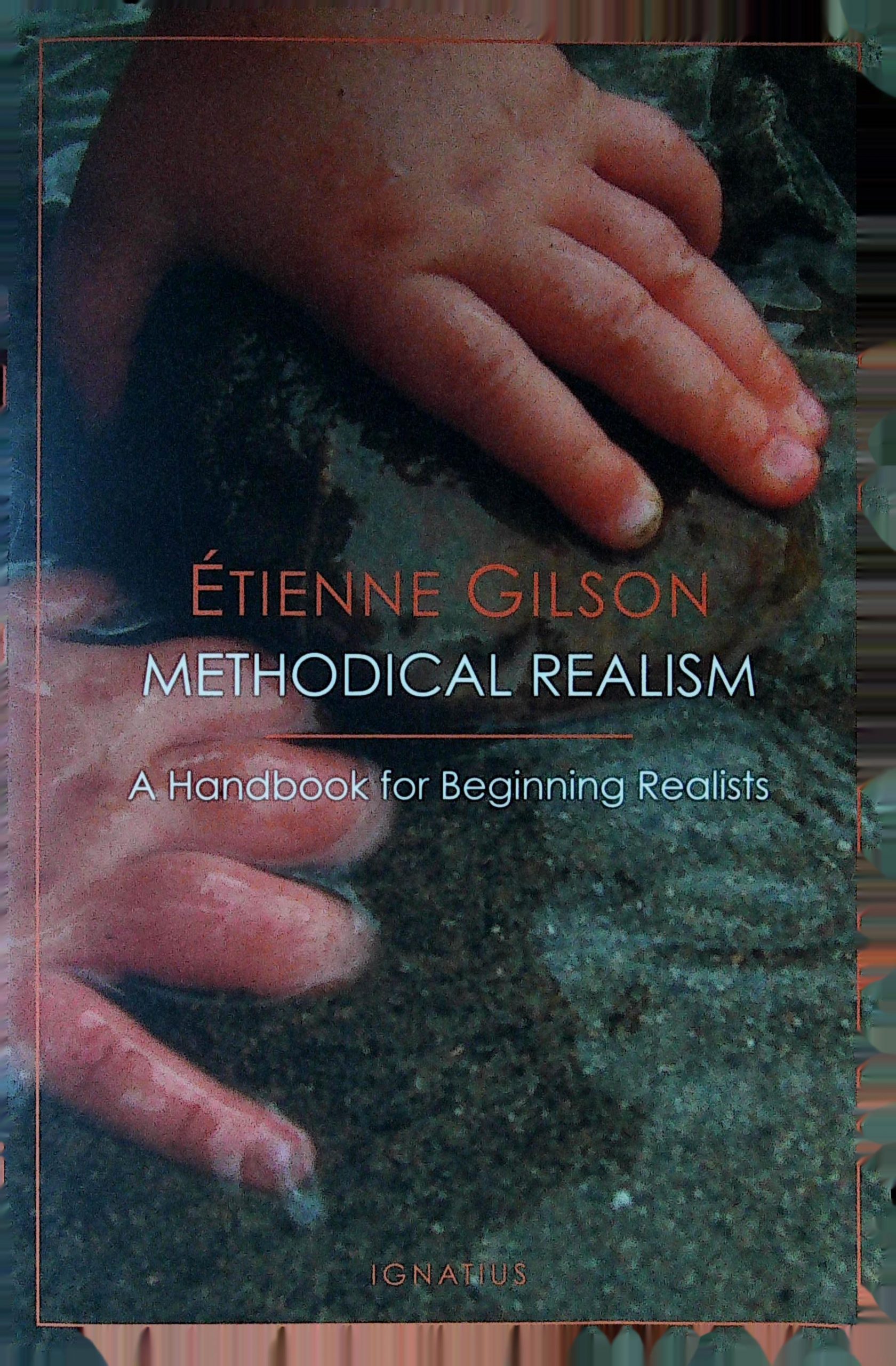
Methodical Realism
€11.50
In stock
This short book is a work of one of the 20th century’s greatest philosophers and historians of philosophy, Etienne Gilson. The book’s title, taken from the first chapter, may sound esoteric but it reflects a common-sense outlook on the world, applied in a “methodical” way. That approach, known as realism, consists in emphasizing the fact that what is real precedes our concepts about it. In contrast to realism stands idealism, which refers to the philosophical outlook that begins with ideas and tries to move from them to things.
Gilson shows how the common-sense notion of realism, though denied by many thinkers, is indispensible for a correct understanding of things — of what is and how we know what is. He shows the flaws of idealism and he critiques efforts to introduce elements of idealism into realist philosophy (“immediate realism”). At the same time, the author criticizes failures of certain realist philosophers — including Aristotle — to be consistent in their own principles and to begin from sound starting points. To these problems, Gilson traces medieval philosophy’s failure in the realm of science, which led early modern scientific thinkers of the 17th century unnecessarily to reject even the best of medieval scholastic philosophy.
He concludes with “The Realist Beginner’s Handbook”, a summary of key points for thinking clearly about reality and about the knowledge of it.
Related products