-
×
 DON'T LET COLLEGE HAMPER YOUR EDUCATION
1 × €2.10
DON'T LET COLLEGE HAMPER YOUR EDUCATION
1 × €2.10 -
×
 IL-MIXJA TAL-FIDI
2 × €2.99
IL-MIXJA TAL-FIDI
2 × €2.99 -
×
GWANNI TAWLERU PRIETKI U XOGHLIJIET
1 × €15.00
-
×
 651 MADONNA MERAKOLUZA 17CM
2 × €15.00
651 MADONNA MERAKOLUZA 17CM
2 × €15.00 -
×
 AWAKENING VOCATION
1 × €20.00
AWAKENING VOCATION
1 × €20.00 -
×
 17CM BAMBINO DI PRAGA
1 × €15.00
17CM BAMBINO DI PRAGA
1 × €15.00 -
×
 HOW TO BE ALERT AND ACHIEVING
1 × €3.50
HOW TO BE ALERT AND ACHIEVING
1 × €3.50 -
×
410 LOURDES -23CM
1 × €20.00
-
×
 THE CATHOLIC CONTROVERSY
1 × €12.80
THE CATHOLIC CONTROVERSY
1 × €12.80 -
×
 A VIEW FROM THE STEEPLE: FR. MANTON
1 × €4.99
A VIEW FROM THE STEEPLE: FR. MANTON
1 × €4.99 -
×
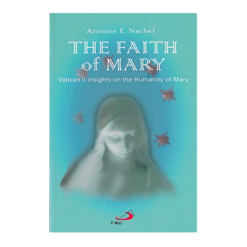 THE FAITH OF MARY
1 × €11.65
THE FAITH OF MARY
1 × €11.65 -
×
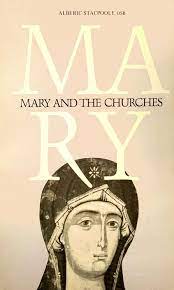 MARY AND THE CHURCHES
2 × €4.50
MARY AND THE CHURCHES
2 × €4.50 -
×
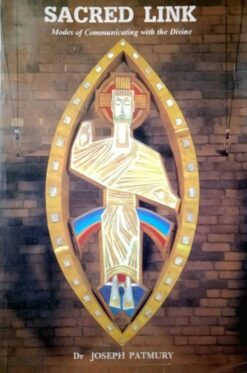 SACRED LINK
1 × €5.00
SACRED LINK
1 × €5.00 -
×
 NO LESS ZEAL
1 × €7.00
NO LESS ZEAL
1 × €7.00 -
×
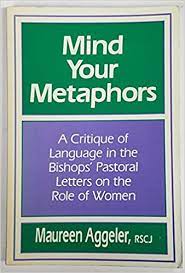 MIND YOUR METAPHORS
1 × €7.00
MIND YOUR METAPHORS
1 × €7.00 -
×
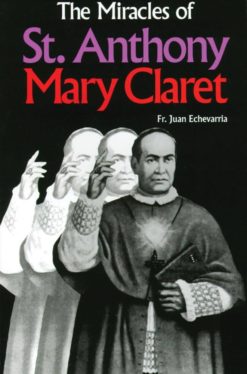 THE MIRACLES OF ST. ANTHONY MARY CLARET
1 × €13.00
THE MIRACLES OF ST. ANTHONY MARY CLARET
1 × €13.00 -
×
 LEADERSHIP
1 × €8.00
LEADERSHIP
1 × €8.00 -
×
 HEALING WORDS FROM MARY
1 × €4.00
HEALING WORDS FROM MARY
1 × €4.00 -
×
 THE THEOLOGY OF HISTORY IN ST BONAVENTUR
2 × €15.00
THE THEOLOGY OF HISTORY IN ST BONAVENTUR
2 × €15.00 -
×
 IN SURE AND CERTAIN HOPE
1 × €5.00
IN SURE AND CERTAIN HOPE
1 × €5.00 -
×
 MARY THE TEACHER OF JESUS
1 × €10.00
MARY THE TEACHER OF JESUS
1 × €10.00 -
×
 COME HOLY SPIRIT
1 × €4.00
COME HOLY SPIRIT
1 × €4.00 -
×
 QUIET PLACES WITH MARY
1 × €4.50
QUIET PLACES WITH MARY
1 × €4.50 -
×
18 - MADONNA AUSILATRICI 19CM
1 × €19.50
-
×
 THE SERMONS OF FRANCIS DE SALES ON OUR L
1 × €12.80
THE SERMONS OF FRANCIS DE SALES ON OUR L
1 × €12.80 -
×
 31CM ST. JOSEPH 883
1 × €40.00
31CM ST. JOSEPH 883
1 × €40.00 -
×
NARA NISMA' U NAQRA
2 × €5.24
-
×
 TOUGH MINDED FAITH FOR TENDER HEARTED PE
1 × €7.00
TOUGH MINDED FAITH FOR TENDER HEARTED PE
1 × €7.00 -
×
SOMETHING TO THINK A COLLECT OF QOUTATIO
1 × €2.35
-
×
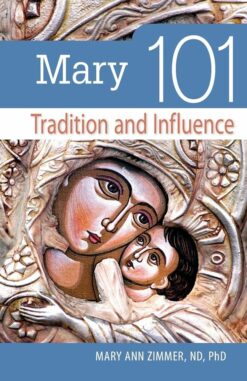 MARY 101 TRADITION AND INFLUENCE
1 × €15.00
MARY 101 TRADITION AND INFLUENCE
1 × €15.00 -
×
PREACHING ON GOD'S JUSTICE
1 × €9.30
-
×
 TURN TO GOD REJOICE IN HOPE
1 × €3.00
TURN TO GOD REJOICE IN HOPE
1 × €3.00 -
×
 YOUR SINS ARE FORGIVEN YOU
1 × €7.00
YOUR SINS ARE FORGIVEN YOU
1 × €7.00 -
×
 FEAR AND ANXIETY
1 × €3.00
FEAR AND ANXIETY
1 × €3.00 -
×
 LIVING THE CATECHISM OF THE CATHOLIC V.4
1 × €8.50
LIVING THE CATECHISM OF THE CATHOLIC V.4
1 × €8.50 -
×
ANECDOTES OF THE GREAT
1 × €3.00
-
×
 30CM PADRE PIO 891
1 × €40.00
30CM PADRE PIO 891
1 × €40.00 -
×
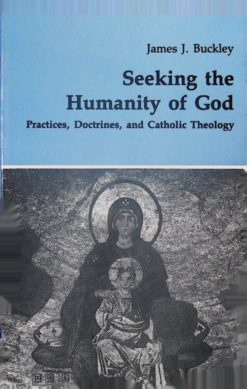 SEEKING THE HUMANITY OF GOD
1 × €5.00
SEEKING THE HUMANITY OF GOD
1 × €5.00

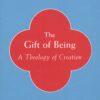
The Gift Of Being A Theology Of Creation
€11.50
In stock
In view of the critical environmental problems confronting the modern world, reflection on the nature and meaning of the world and on humanity’s place in it becomes increasingly important. While Christian theology has done this for centuries, the present situation calls for a serious rethinking of many issues in the light of contemporary physics, biology, and cultural history. The Gift of Being presents insights of the sciences in a way that is helpful for Christians today.
Creation theology helps believers come to a stronger sense of their own identity as they come to an awareness of the world. This enables them to gain a deeper insight into how they ought to relate to that world if they wish to find meaning in their lives. This state of being requires a willingness to distinguish between the medium and the message in approaching the Scriptures. It also requires a willingness to take the sciences seriously.
In The Gift of Being, Hayes focuses on traditional questions of creation, but also comments on where science is with creation, anthropology, and destiny. He begins by discussing the relation between faith and reason, and hence between theology and science, from a historical perspective, moving to the most current statements of modern Popes. He follows with a summary statement of the possible retrieval of the biblical religious insights that can be distinguished from the physical worldview that stands behind much of the biblical material. This allows for a discussion of the traditional concept of creation from nothing in the form of a conversation with contemporary physics. He then discusses the Christian idea of God as the primal mystery of creative love from whom all of creation flows. With these foundational ideas in place, Hayes looks at such questions as the origin of humanity and the failure of humanity throughout history. He then focuses on the tradition of cosmic Christology. Finally, the theological issues of the final outcome of God’s creation and its history is discussed against the background of the current scientific projections of a future for the cosmos.
Chapters are Science, the Bible, and Christianity,” “The Vision of the Hebrew Scriptures,” “Creation and the Christian Scriptures,” “Creation from Nothing,” “The Triune God, the Creator,” “Humanity in the Cosmic Context,” “Sin and Evil,” “Christ and the Cosmos,” and “Creation and the Future.”
Zachary Hayes, OFM, PhD, (1932-2014) was a professor of systematic theology at Catholic Theological Union. He taught and wrote extensively on matters related to the theological understanding of creation and the relation between theology and science. He was on the staff of the Chicago Center for Religion and Science. He was the author of Visions of a Future: A Study of Christian Eschatology from the New Theology Studies series published by The Liturgical Press.
Related products